

Developing early reading skills early on in life sets the foundation for lifelong learning, critical thinking, and effective communication. Children who are confident readers tend to perform academically and are more likely to be curious and accumulate knowledge about the world around them. Reading may seem like a natural skill, but reading fluency and comprehension skills require intentional guidance, practice, and a nurturing environment. Parents and educators, especially those who work with children at an early education center, must know how to build strong reading skills at an early age.
How to Build Strong Reading Skills at an Early Age
Start Early
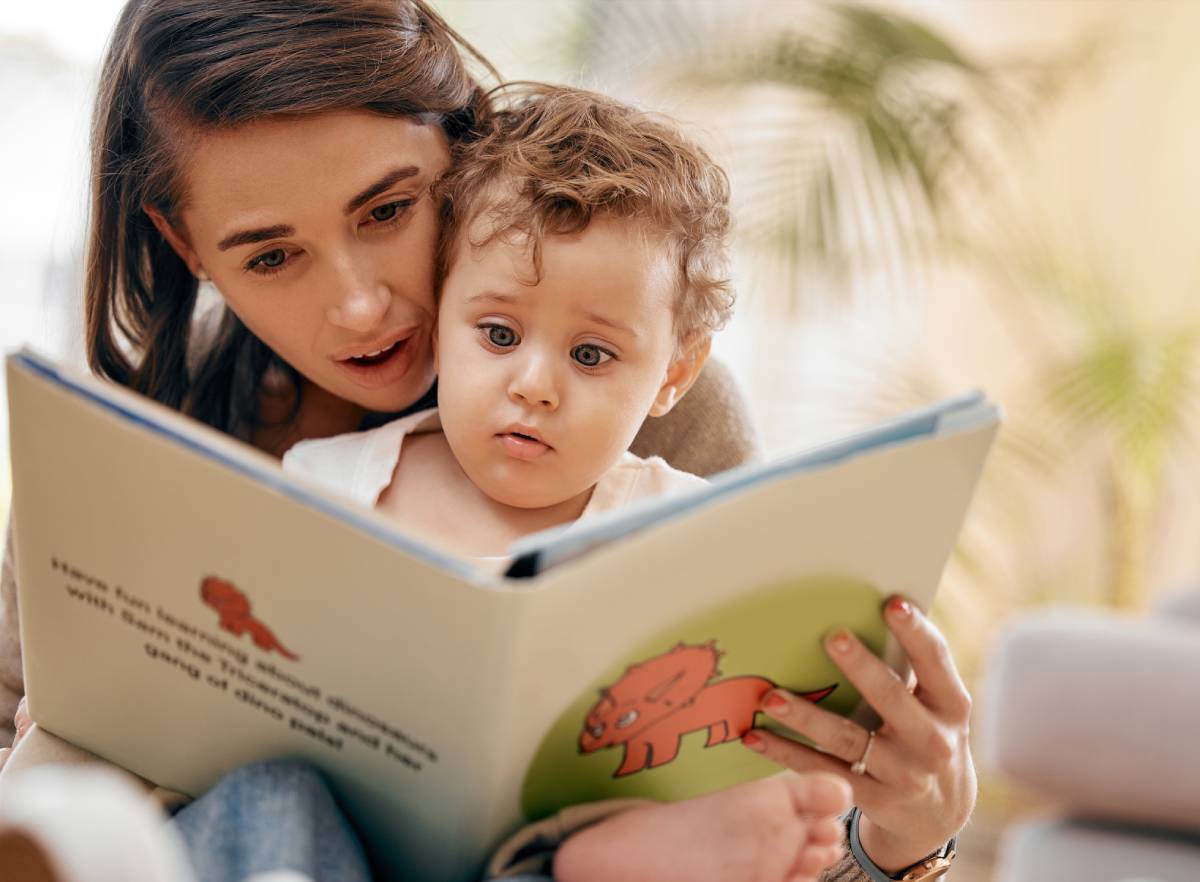
One of the most effective ways of developing reading skills is to start early. Exposure to books even before children are old enough to speak or understand plays a powerful role in language development. Reading aloud to infants and toddlers is an excellent way to introduce them to sounds, rhythms, and patterns of language. Picture books, board books, and even simple storytelling can help them build their vocabulary and listening skills. At this stage, parents and caregivers aim to help children feel comfortable and familiar with books.
Surround Children with Printed Material
Children should be surrounded by books, labels, and other written materials in their daily lives. Ensure that they have easy access to them. Put them on low shelves, baskets, somewhere in the car. This will encourage children to explore reading on their own. When printed material is readily accessible, children will associate reading with everyday life rather than with school.
Create a Consistent Routine
The best way children can develop discipline and the habit of reading is by establishing a daily reading routine. Read bedtime stories every night or schedule a quiet reading time at home. A regular reading schedule tells them that reading is both fun and important.
Make Reading Interactive
Do not just read words from the page. Make it interactive. Point to pictures. Ask the children questions about the pictures and the story. Ask them to predict what will happen next. Help them develop their skills in making assumptions by asking questions like, “Why do you think the character said this?” or “When do you think she realized she was being followed?” These interactions help children develop their critical thinking and comprehension skills. When reading is interactive, it turns into an enjoyable activity.
Teach Children the Relationship Between Letters and Sounds
Phonics instruction is another essential component of early reading development. And when they know the relationship between letters and sounds, they will know how to decode words on their own. Getting them to do simple activities like identifying letter sounds, blending sounds to form words, and recognizing rhymes can greatly improve reading ability. When children know how words work, they tend to be more confident in reading unfamiliar words.
Let Children Choose What They Read
Balance structured learning with the freedom to choose the books they want to read. When children can choose materials based on their interests, they become more motivated to read. Whether it is fairy tales, animals, comics, or adventure stories, children can engage better with material that excites them, especially at this stage. This sense of ownership fosters a positive attitude towards reading.
Model Good Reading Habits
Children imitate the behavior of adults around them. If you are a parent or someone providing care for children, show the children that you read regularly. Seeing their parents or teachers reading regularly tells them that reading is a valuable and enjoyable activity.
Be Patient
Remember that children learn at their own pace. Celebrate their progress, no matter how small. Be patient and praise their effort. Comparing them to others will create anxiety, reduce motivation, and make reading time a burden.
Preschool skill-building can be daunting, especially for first-time parents. This is why it is important to partner with institutions that specialize in this early stage of a child’s learning development. If you are looking for an early education center that can help you ensure the best start in life for your child, ask us about our program today.