

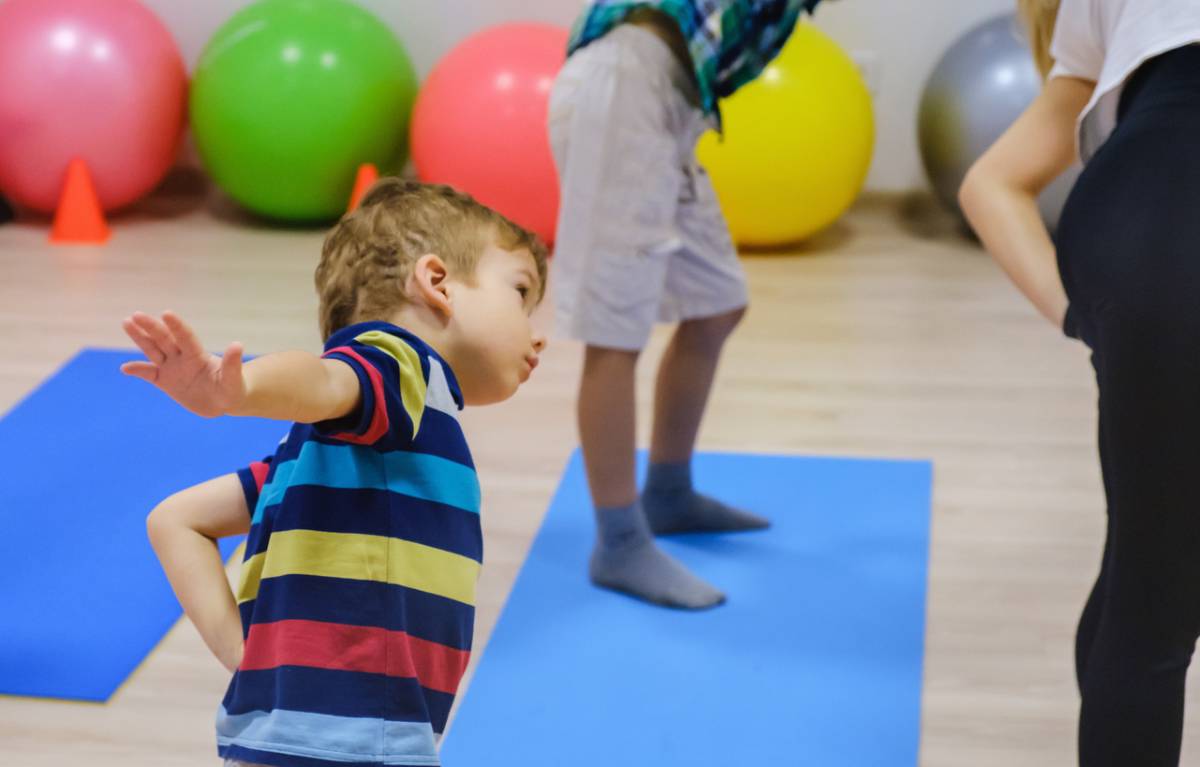
Keeping young children calm and focused can be a major feat. Their energy levels are unmatched, and they can often have the attention span of a gnat. While this is completely normal, there are several age-appropriate tools to help children focus. Building self-regulation can promote calmness in young children. Yoga and meditation have become integral in preschool settings. Below you will find helpful information on using yoga and meditation to improve focus in preschoolers.
Using Yoga and Meditation to Improve Focus in Preschoolers
Preschool child development is more than just learning material. It is also about social and emotional development. Regulating one’s emotions is a cornerstone of early childhood development. There are several reasons why yoga and meditation are great tools for young children.
Early Childhood and Self-Regulation
The preschool years are an important period for self-regulation. It is the ability to manage one’s emotions, control impulses, and direct one’s attention. These are important behavioral skills. However, they are also integral to overall learning. Children who develop strong self-regulation in early childhood experience several benefits. They are better prepared for kindergarten and are more likely to succeed academically throughout their education. There is also evidence that demonstrates improved ability to form friendships.
Research on yoga in preschool settings has shown consistently positive findings. It has shown improved attention control and behavioral regulation. These are the types of skills necessary to ensure a child can sit during story time and wait their turn. It also helps them stay engaged during group activities. These skills are not just beneficial at school with their preschool teachers. In fact, they benefit children in all environments, including at home.
Attention Skills Are Developed Over Time
Attention skills do not develop on their own. They are intentionally developed. This is because children do not naturally learn how to focus without some direction. Attention needs to be supported and practiced over time. Without intentional support, many children struggle to settle down and listen. It can also make meaningful engagement difficult. This is especially true in stimulating environments like the classroom.
Mindfulness is a practice that can develop and improve attention skills. Many people think that meditation is just sitting in silence. However, it is much more than that. Mindfulness for preschoolers in child care services is much different. Common activities include breathing games, listening activities, and guided visualization through a story. The practice of meditation involves simply paying attention in the present moment. When used in an age-appropriate way, it can be a powerful way to encourage curiosity and kindness.
The Importance of Movement-Based Practices for Young Children
Children naturally have a lot of energy. They also learn through their bodies. Sitting still and being told to focus at a young age can be nearly impossible for children. This is why movement-based practices are so critical for young children. Even minor movement, such as deep breathing and stretching, is enough. Both encourage the child to be in the present moment, mind and body.
Both yoga and meditation offer benefits to children as they are movement-based practices. Research shows that yoga and mindfulness practices among preschool-aged children improve behavioral self-regulation and executive function. Yoga invites the child to pay attention to their bodies and focus. Meditation is an excellent counterpart to yoga, as it encourages children to be present and in control of themselves.
Preschool Child Development
Your child’s early education makes a huge difference in their development. If you are considering preschool or childcare services for your child, contact the team at Creative Minds today for more information!