


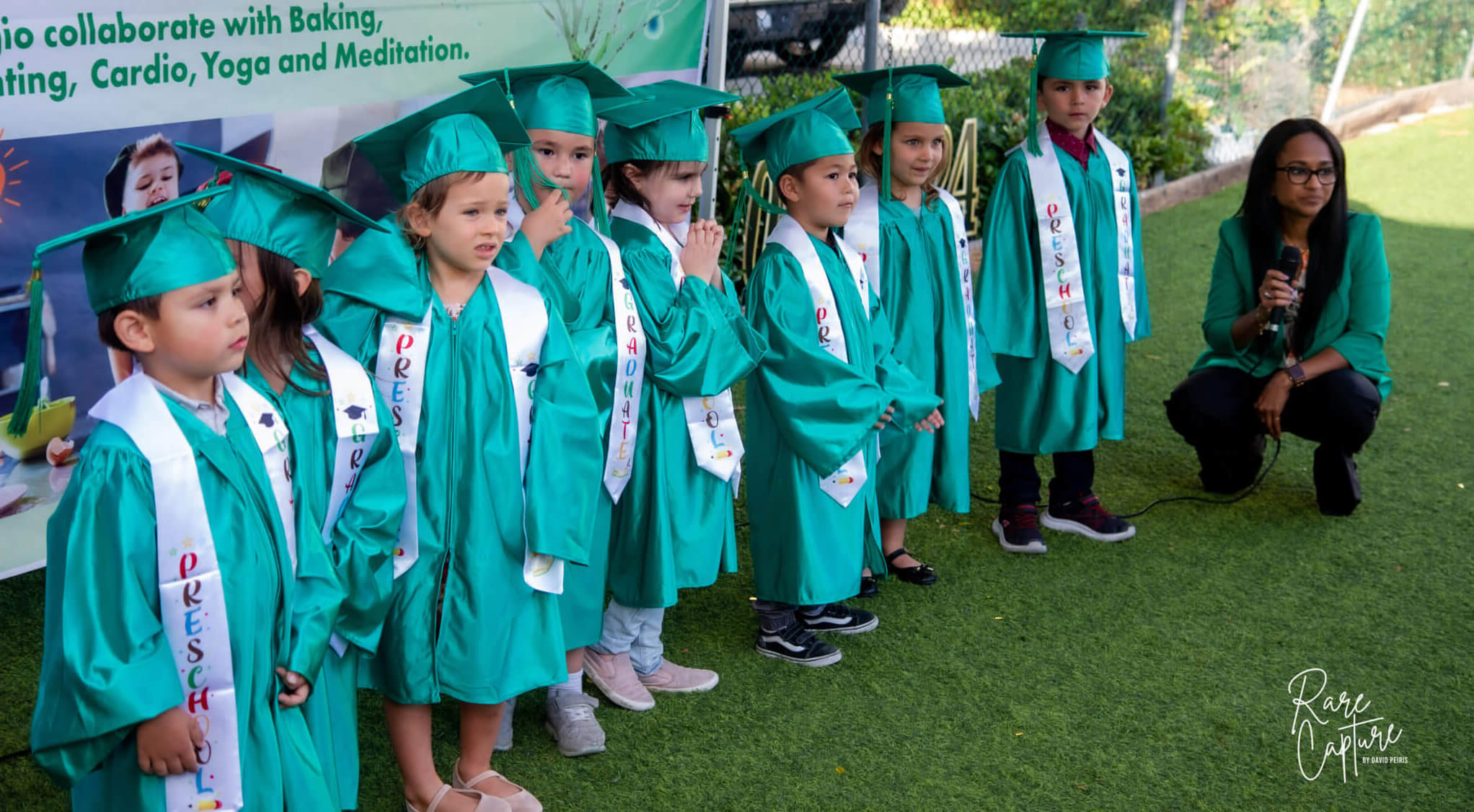
A child’s education has a major impact on their future. Choosing the right early education program is the first educational decision you will have to make as a parent. Finding the right one that works for you and your child is key. There are so many options with different structures and teaching philosophies. Understanding your child and the various models is necessary to make an informed decision. You may wonder, what is the Reggio Emilia Model in early education? Below you will find helpful information on whether it is right for your child.
What Is the Reggio Emilia Model in Early Education?
The Reggio Emilia approach is unlike many traditional, rigid educational models. It is more than just worksheets, exams, and memorization. The model treats each child as curious, capable, and creative. The Reggio Emilia approach was founded in Italy after World War II. A new kind of school and child care services was built. This model respected children’s ability to think, question, and learn on their own terms. Due to the success of the education model, it spread across the globe, including the United States.
There are several core principles of the educational approach. However, the overarching theme is that children are not blank slates that need to be molded. They are active and capable learners. They can understand through exploration, relationships, and creative expression. They are not bound to a chair and desk memorizing information. The Reggio Emilia Early Education Model emphasizes the child’s active role in their educational experience.
Key Principles of the Reggio Emilia Approach
Understanding the key pillar of educational philosophy is essential. It can help you understand why parents choose the approach.
The Competent Child
Children play an active role in shaping their own education. They are viewed as naturally curious and fully capable of directing their own learning. In the Reggio Emilia approach, teachers observe, listen, and follow the child’s lead. Learning experiences are built around the children’s interests. This is achieved by paying attention to the questions children naturally bring to the classroom.
The Hundred Languages of Children
In the Reggio Emilia approach, children are seen to express themselves in countless ways. This is where the “hundred languages” phrase originated. This includes everything from drawing and music to movement and storytelling. These are all considered legitimate languages of learning. The approach focuses on inspiring creativity in expression.
The Environment as a Teacher
In the Reggio Emilia approach, the environment is also seen as a third teacher. The design is intentional, and not just an afterthought. The design and display are meant to foster the child’s learning. This includes thoughtful arrangements, lights, and open spaces. The environment should encourage interaction, invite exploration, and spark curiosity.
The Role of Relationships
The importance of relationships is critical in the Reggio Emilia approach. Learning is not done in isolation in a chair at a desk. In fact, children learn from one another, their teachers, and their families. Families are considered active partners versus passive observers in the education process. Teachers incorporate family interests and backgrounds. This inevitably enhances the overall educational experience. This creates continuity between home and school.
Documentation and Observation
Standardized and rigid grading systems and exams are not central to the Reggio Emilia model. In fact, teachers observe and document children’s educational experience. They are observed through conversations, artwork, and personal projects. Photos, notes, and work samples are shared with parents.
Top Child Care Services
Choosing the right child care services gives you peace of mind and assurance that your child is in good hands. If you want your child to grow in a healthy environment, contact the team at Creative Minds today for more information!


Hi, this is a comment.
To get started with moderating, editing, and deleting comments, please visit the Comments screen in the dashboard.
Commenter avatars come from Gravatar.